Special Pre-Session at NExSMR 2027 – No technical background required!
📅 Tuesday 12 January 2027
⏰ 13:00 – 17:00
📍 World Trade Center Rotterdam
From Atom to Asset: Understanding the Potential of Small Modular Reactors
What does it take to turn a promising nuclear technology into a commercially viable energy solution?
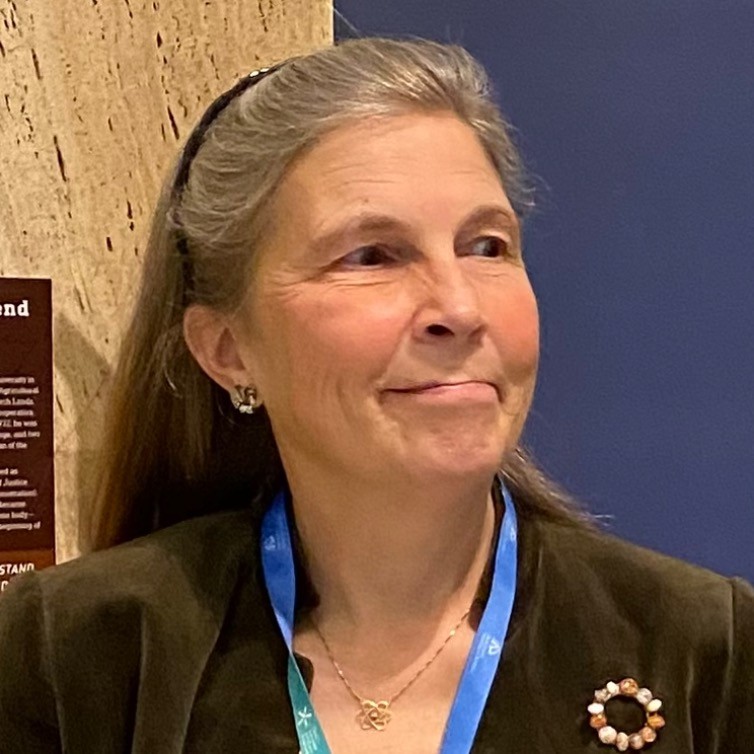
🎙️Interview with Dr. Ir. Aliki van Heek
1. NExSMR brings together people from different backgrounds and levels of expertise. Why would you recommend attending this pre-course, and what can participants gain from it before the conference begins?
“The SMR sector is a highly commercial environment, where technological innovation, ambitious business plans and marketing go hand in hand. Whether you are an industrial customer, an investor, an engineering service provider or a policymaker, understanding the broader picture is essential. The pre-course provides a common vocabulary and a solid foundation for evaluating what you will hear during the conference. My aim is to help participants distinguish credible development plans from overly optimistic promises, recognise genuine opportunities and ask the right questions. Investing three hours in this preparation will make the subsequent conference presentations, discussions and networking considerably more valuable.”
2. The course is called “SMRs from Atom to Asset.” What does this mean in practice, and what are some of the key topics you will cover during these three hours?
“The title reflects the journey from a fundamental physical process to a commercially viable energy asset. We start at the atomic level, exploring how nuclear fission works, how a reactor produces energy and what makes nuclear energy different from other energy sources. We then compare the various SMR technologies, their fuel and waste characteristics, their technological maturity and remaining development needs. Finally, we move into the commercial dimension: potential markets beyond electricity, the economics of nuclear power, financing models and strategic dependencies. The course connects technology with business reality, because an excellent reactor concept does not automatically translate into a successful commercial project.”
3. SMRs are often discussed in terms of their potential, but there are many different technologies and questions surrounding their development. What are some of the key things you think everyone interested in SMRs should understand—from how they work to safety, waste, economics, and deployment?
“One of the most important things to understand is that SMRs are not a single technology, and their claimed advantages are not universally applicable. Different reactor designs come with different safety characteristics, fuel requirements, waste streams, operating experience and development challenges. Similarly, being small and modular does not automatically make a reactor cheaper or faster to deploy. Economic competitiveness depends on many factors, including standardisation, production volumes, financing conditions and the intended application. It is essential to distinguish between what is technically possible, what has already been demonstrated and what is commercially achievable. Understanding these distinctions enables a much more meaningful assessment of SMR proposals.”
4. The course is designed for people with different backgrounds, including those who are new to nuclear energy and those who want to refresh their knowledge. What would you say to someone who is interested in SMRs but feels they don’t have enough technical knowledge to attend?
“That is precisely why this course exists. You do not need a background in nuclear physics or engineering to understand the essential principles of nuclear energy or to engage meaningfully in discussions about SMRs. I will explain the concepts in accessible language, without assuming prior nuclear knowledge, while maintaining sufficient depth to make the course valuable for more experienced participants. The objective is not to turn everyone into a nuclear engineer in three hours, but to give everyone the confidence to participate in informed conversations. Curiosity and a willingness to ask questions are far more important than technical qualifications. No question is too basic.”
Join us to gain valuable insights, ask the right questions and make the most of your NExSMR 2027 experience!
More information and registration: